One evening I opened the door and stopped.
It was late September in Alaska. The air already smelled like winter.
I still don't know how to describe that smell. Cold, dry, something metallic under it. The moment it reached me my chest knew before my head did. Ah. Here we go.
Was that the aurora I could smell? Of course not. The lights happen a hundred kilometres up and higher, and nothing comes down from there but light. What I smelled was cold air. Just cold air. But every year since, it has been the first thing to arrive. Before the calendar. Before the forecast.
It was up there all summer
In July it was doing exactly what it does in January. Nobody could see it. The June sun in Alaska does set — it simply never goes far enough. Midnight is the colour of weak tea. The stars are up there at noon too; you just can't see them.
The numbers make it plainer. In interior Alaska the sky doesn't get dark enough for the aurora again until around August 21, and even then only for a couple of hours around midnight. By the start of September it's nearly five. By the equinox, nearly eight. By mid-October, more than ten.
So the season really opens in late August, two hours at a time. What late September brings is time — nights long enough to wait through. And once the door opens, it stays open until late April.
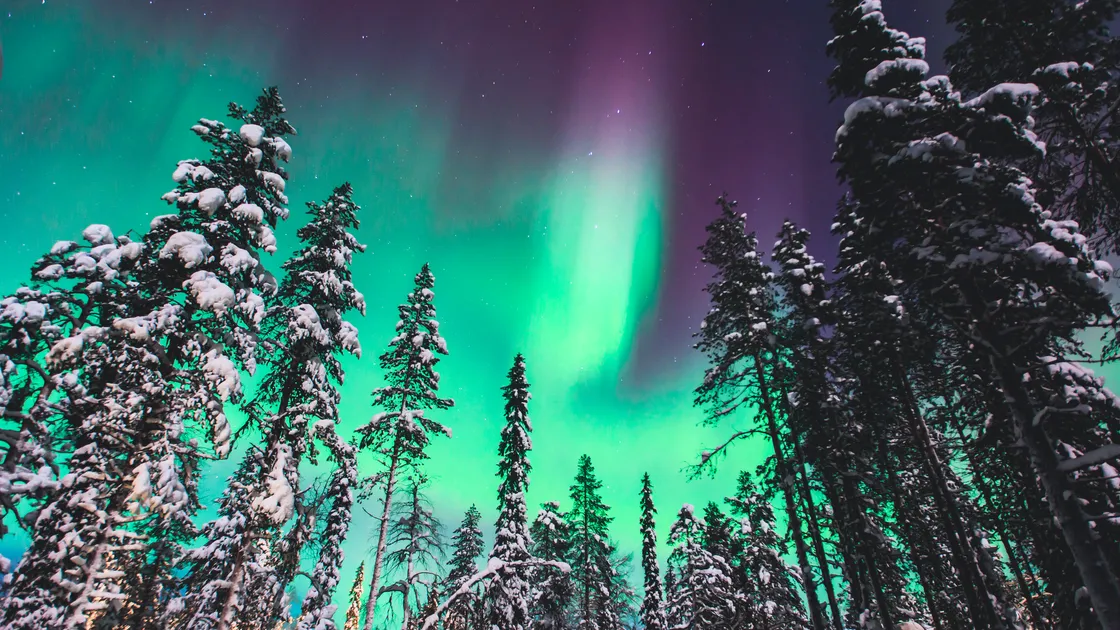
Autumn does have an edge
Not folklore. Around the equinoxes the Earth's magnetic field tends to sit at an angle that couples more easily with the solar wind. That's the explanation Russell and McPherron put forward in 1973, and people still argue about exactly why. The pattern itself isn't in doubt: average enough decades together and the weeks around the equinoxes come out as the most geomagnetically active of the year.
Averaged. Not promised for this particular week. A whole quiet September is perfectly ordinary, and the best night of the year can just as easily land on some Tuesday in November.
About this season
Solar Cycle 25 went past its peak around 2024 and 2025. Sounds like the show is over. It isn't. Cycle 23's strongest storms, the Halloween storms among them, came in autumn 2003, a few years after its peak. Cycle 24's strongest came in March 2015, the year after its peak. Big storms have a way of turning up on the way down. And the years after a maximum also belong to coronal holes — long-lived gaps in the Sun's atmosphere that pour out fast solar wind. They come back every twenty-seven days as the Sun turns. It is about the only thing in this hobby you could call a rhythm.
The date, though, nobody has. The biggest outbursts arrive as coronal mass ejections and forecasters see them one to three days out, not four weeks. Anyone promising you a storm a month from now is selling something.
The cold is real
I should be honest about this, because photographs never are. I learned it that first winter. Stand still for two hours and the cold goes through your coat, then your gloves, then somewhere behind your knees. Your phone dies first. Your face stops being a face.
What makes a night work is almost embarrassingly plain. Twenty minutes by car from the streetlights. Check the Moon — a full one erases a faint aurora as thoroughly as a lamp. Check the cloud, which decides more nights than any index does. And stay out past ten, because the activity leans toward magnetic midnight.
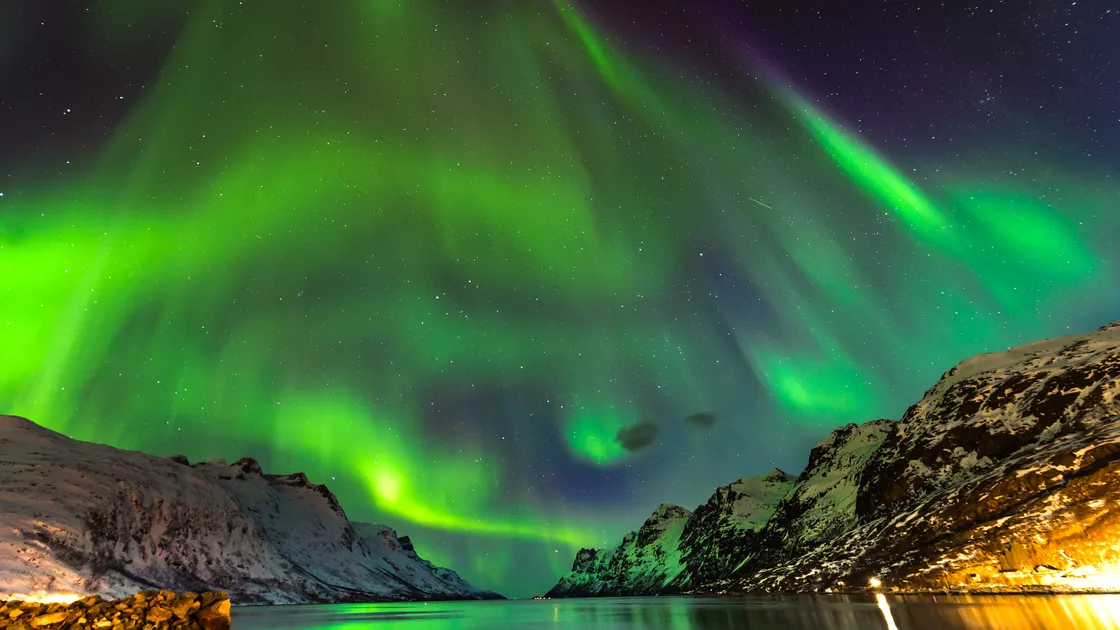
I went out anyway, that winter, night after night. Not because the cold got easier — it never did. Because of what I'd smelled at the door that evening in late September. My nose knew what season it was before I did. It still does.